Sponsored article
Why the Standardization of Frozen Pork By-Products Is Critical in Industrial Processing
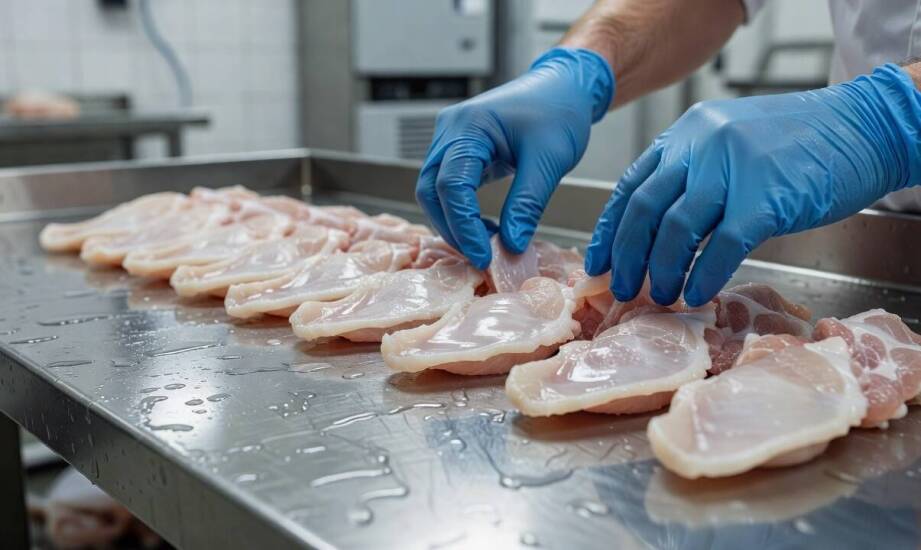
- How Dimensional Consistency Affects Thawing and Processing Performance
- The Importance of Logistics and Contract Specifications in International Trade
- Why Standardization Improves Industrial Efficiency
- FAQ
- Why is dimensional consistency so important for frozen pork products?
- How does uneven thawing affect product quality?
- What is recrystallization and why is it a concern?
- Why is rapid freezing generally preferred over slow freezing?
- Why is the cold chain so important in international trade?
- Why should pork products be cleaned before freezing?
- What are quality specifications in frozen meat trade?
- What benefits does raw material standardization provide?
- Can differences in product size affect machine performance?
- What do wholesale buyers look for in frozen pork products?
Visual inspection of frozen pork by-products upon delivery rarely reflects their true technological value. The most important quality parameters only become apparent during thawing and the early stages of processing. A shipment that appears perfectly frozen at first glance may behave inconsistently on the production line, causing delays, additional quality checks, and reduced operational efficiency.
Read more: How do precise temperature settings affect the taste of coffee?
Different thawing rates among products of varying sizes can lead to noticeable differences in texture and processing performance. For large-scale meat processors and B2B wholesale buyers, profitability depends heavily on maintaining consistent production cycles. When products within the same carton or pallet differ in size or shape, additional manual handling becomes necessary, reducing line efficiency and increasing labor costs.
Read more: Wholesale fruit deliveries to gastronomy – what do restaurants and catering require?
Machines designed for continuous operation perform best with standardized raw materials. Consistent sizing directly improves thermal processing efficiency, reduces operational costs, and supports long-term production planning.
How Dimensional Consistency Affects Thawing and Processing Performance
Strict control over the size, thickness, and overall shape of frozen pork products plays an important role throughout the thermal processing cycle.
When products within a batch vary significantly, thinner sections may thaw much faster than thicker cartilage-rich areas. This can result in an uneven physical structure that makes it more difficult for industrial equipment to achieve consistent grinding, cutting, or portioning results.
Rapid freezing methods are commonly used to promote the formation of smaller ice crystals, which can help preserve tissue structure and reduce moisture loss after thawing. When followed by controlled thawing procedures, this approach can support better moisture retention and improve the overall usability of the raw material.
Industrial slicers, grinders, and cutting equipment operate most efficiently when material resistance remains consistent. Significant texture differences caused by uneven freezing or thawing may increase mechanical stress on equipment and accelerate blade wear.
Accurate trimming and the removal of surface impurities also contribute directly to processing efficiency. Products containing residual hair, irregular cuts, or loose tissue fragments often require additional manual preparation before entering production.
Properly selected and processed products feature a consistent anatomical profile and a clean, uniform surface. This supports routine veterinary inspections, facilitates customs procedures in international trade, and reduces unnecessary waste during further processing.
Standardized shapes also allow for more efficient carton filling and palletization, minimizing unused space within packaging.
The Importance of Logistics and Contract Specifications in International Trade
Industrial freezing methods, suitable packaging materials, and effective cold-chain management all influence the final condition of pork products after long-distance transport.
Maintaining stable deep-freeze temperatures throughout storage and transportation helps prevent recrystallization. Temperature fluctuations can cause small ice crystals to merge into larger structures, potentially affecting tissue quality and processing characteristics after thawing.
Modern international logistics typically relies on multilayer packaging systems that combine protective polyethylene liners with durable corrugated cartons. Such packaging helps protect products against dehydration, mechanical damage, and excessive pressure during transport.
Large-scale trade in frozen pork materials also requires detailed product specifications. These documents define physical, hygienic, and quality requirements that help buyers receive products aligned with their technological needs.
A good example of a standardized export product is pork ears, supplied according to clearly defined product specifications for industrial processing applications. Michna Meat offers a range of pork by-products for international B2B customers, including pork ear flaps and other pork head components intended for further processing.
The company's product portfolio includes numerous pork by-products prepared for export and industrial use, enabling customers to source raw materials according to their individual specifications.
Products are normally sorted and classified before freezing, allowing processors to select materials suitable for specific manufacturing requirements. The allocation of products to individual categories is based on measurable quality and physical characteristics.
Why Standardization Improves Industrial Efficiency
Machines deliver maximum productivity when raw materials remain within predefined dimensional tolerances. This supports efficient operation across continuous processing systems and reduces the need for corrective interventions.
Food service operators and institutional catering providers may allow limited variation in product dimensions, but they still require consistently high standards of hygiene, microbiological safety, and post-thaw product quality.
Ultimately, the value of a frozen pork shipment depends on a combination of accurate trimming, effective freezing procedures, and uninterrupted cold-chain management. Raw materials that match the capabilities of processing equipment help reduce downtime, minimize manual labor requirements, and support predictable production outcomes.
Carefully standardized and properly protected products contribute to stable processing performance and improved cost efficiency, regardless of the complexity of the manufacturing process.
FAQ
Why is dimensional consistency so important for frozen pork products?
Uniform products thaw at a similar rate, helping processors maintain stable production parameters. This reduces raw material losses, minimizes adjustments during processing, and improves overall line efficiency.
How does uneven thawing affect product quality?
If some products remain partially frozen while others are fully thawed, differences in texture and moisture content may occur. This can complicate grinding, slicing, portioning, and other processing operations.
What is recrystallization and why is it a concern?
Recrystallization occurs when temperature fluctuations cause small ice crystals to combine into larger ones. This may damage tissue structure and negatively affect product quality after thawing.
Why is rapid freezing generally preferred over slow freezing?
Rapid freezing tends to produce smaller ice crystals, which can reduce structural damage to tissues. As a result, products often retain moisture and texture more effectively after thawing.
Why is the cold chain so important in international trade?
Maintaining the correct temperature from freezing through delivery helps preserve product quality. Uncontrolled temperature increases can negatively affect the physical and technological properties of frozen meat.
Why should pork products be cleaned before freezing?
Removing hair, loose tissue fragments, and other impurities reduces the need for additional trimming at the destination facility. This streamlines quality control and processing operations.
What are quality specifications in frozen meat trade?
They are detailed documents defining product criteria such as weight, dimensions, cleanliness, packaging requirements, and hygiene standards. These specifications help ensure consistency between supplier and buyer expectations.
What benefits does raw material standardization provide?
Standardization improves process predictability, increases machine efficiency, simplifies production planning, and helps reduce costs associated with manual labor and material losses.
Can differences in product size affect machine performance?
Yes. Significant dimensional variation can disrupt cutting, grinding, and portioning processes. Uniform raw materials allow equipment to operate more efficiently and consistently.
What do wholesale buyers look for in frozen pork products?
Key considerations include compliance with specifications, dimensional consistency, freezing quality, cleanliness, microbiological safety, and maintenance of the cold chain throughout transportation.
You might be interested

Aluminium entrance mats – how do you customise them?
Aluminium entrance mats combine aesthetics and functionality to influence the first impression of visitors. Thanks to the variety of products available and the customisation options, they can be tailored to individual customer needs. It is noteworthy for its use both indoors and outdoors, making it

Religious vestments in various congregations – an overview and comparison
Religious vestments have for centuries been a sign of belonging to a specific community and an expression of adopted spirituality. Their appearance, color, and way of being worn result from the traditions of a given congregation, the religious rule, and the history of the community. Although many ha